
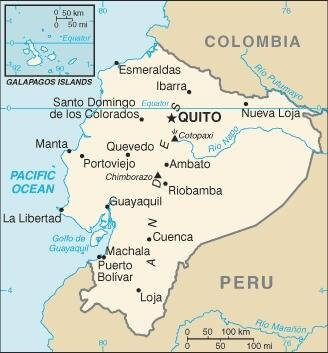
Coffee from Ecuador includes a number of exceptional varieties. Renowned for its picturesque landscapes, rich biodiversity, and commitment to sustainable farming practices, this Central American country has earned a reputation for producing some of the world’s finest coffee beans. Here we will explore the unique characteristics of three of the prominent coffee varieties grown in Costa Rica: Tarrazu, Tres Rios, and Heredia.
Ecuador, nestled in the heart of South America, is a country celebrated for its diverse natural wonders. From the majestic peaks of the Andes to the lush Amazon rainforest, this enchanting land is also home to a fascinating array of coffee varieties. With unique flavors, aromas, and characteristics, Ecuadorian coffees offer a delightful journey for coffee connoisseurs seeking something truly exceptional. Let us delve into the captivating world of Ecuadorian coffee and explore the features of each distinct variety.
Arabica Typica: The Heritage of Coffee from Ecuador
Arabica Typica is a coffee variety deeply rooted in Ecuador’s history. Introduced by Jesuit priests in the 18th century, it thrived in the country’s diverse microclimates. Grown at altitudes ranging from 1,200 to 1,800 meters, Arabica Typica develops a refined acidity with notes of citrus and floral undertones. The beans create a coffee with a medium body and a smooth, velvety texture, making each sip a delicate and pleasurable experience.
Bourbon Coffee – the Subtle Elegance of Ecuador
Originally hailing from the island of Bourbon (now Réunion Island), this coffee variety found its way to Ecuador during the late 19th century. Today, Ecuadorian Bourbon is known for its distinctive taste profile. Cultivated in the fertile volcanic soils of the Andean region, it exhibits a medium body with a well-balanced acidity and a subtle sweetness. With delicate hints of caramel, chocolate, and tropical fruits, this coffee offers a harmonious symphony of flavors.
Caturra – the Vibrant Spirit of Ecuadorian Coffee
Caturra coffee is a natural mutation of Bourbon, and has become one of the most popular coffee variety in Ecuador. With its compact size, Caturra plants thrive in Ecuador’s diverse altitudes, ranging from 800 to 2,000 meters. The beans have a full-bodied richness, with a lively acidity and a bright, fruity profile. Expect a vibrant combination of red berries, citrus, and a hint of cocoa in each sip. Ecuadorian Caturra truly captures the country’s zestful coffee spirit.
Pacamara Coffee – the Bold Variety
Pacamara Coffee is a hybrid of the Pacas and Maragogipe varieties, and has recently become popularity in Ecuador. These coffee farms are located at higher elevations. Pacamara plants produce generously sized beans that lead to a bold and intense coffee experience. The beans produce a coffee with a robust body, a complex acidity, and a remarkable depth of flavor. Notes of dark chocolate, stone fruit, and spices create a truly captivating sensory journey for those seeking a bolder and more adventurous coffee experience.
Geisha – the Most Highly Prized Coffee from Ecuador
Last but certainly not least, the Geisha variety has made a name for itself as a crown jewel of Ecuadorian coffee production. Originally from Ethiopia, Geisha found its way to Panama and eventually Ecuador. Grown at higher altitudes above 1,500 meters, Geisha beans develop an exquisite complexity. Geisha coffee has a light body, delicate floral notes, and tropical fruit flavors that include jasmine, bergamot, and pineapple. It offers offers a truly ethereal experience for the discerning palate.
Find the Ecuadorian Coffee Variety that’s Right for You
Coffee from Ecuador is a testament its farmers’ dedication to quality and its unique coffee-growing regions. The traditional Typica, the elegant Bourbon, the spirited Caturra, the bold Pacamara, and the revered Geisha each offer a unique flavor and aroma. Embark on a coffee adventure and try each of Ecuador’s coffee varieties.
Check Out Our Coffee Recipes and Explore the World of Coffees
Try our coffee recipes, using the coffee varieties from some of the coffee producing countries on CoffeeByAna.


